

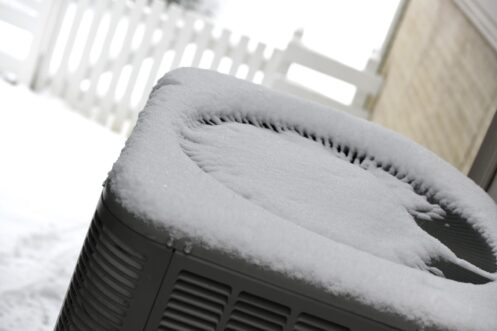
Deep winter freezes in Illinois put added strain on home heating systems, especially when temperatures drop fast and stay low for days at a time. Frozen components can disrupt comfort, increase wear on equipment, and lead to unexpected heating service calls during the coldest part of the year.
Why Freezing Temperatures Create System Risks
Heating systems rely on proper airflow, drainage, and steady operation to function correctly. When outdoor temperatures plunge, exposed components and connected lines are more vulnerable to freezing. This is particularly common during extended cold snaps, which are not unusual in central Illinois.
Frozen parts can restrict performance or trigger safety shutoffs, leaving your home without reliable heat when you need it most.
Common Components That Are Affected By Freezing
Not all parts are equally exposed, but certain areas tend to experience issues more often during severe cold.
- Condensate drain lines that carry moisture away from the system
- Outdoor units connected to heat-related functions
- Exposed piping near exterior walls or unheated spaces
- Sensors that rely on consistent airflow and temperature balance
When these components freeze, the system may struggle to operate or shut down to protect itself.
How to Prevent Freezes
Maintain Consistent Indoor Temperatures
Sudden temperature drops inside the home can make certain system components more vulnerable to freezing. Keeping indoor temperatures steady, even overnight or when the home is unoccupied, supports consistent system operation. Large swings in thermostat settings can lead to uneven heating cycles that allow moisture-related components to cool too quickly.
Consistency helps the system regulate itself more effectively during extended cold spells.
Keep Airflow Paths Clear And Unrestricted
Restricted airflow places added stress on heating systems and can contribute to freezing issues. When warm air cannot circulate properly, internal temperatures may drop in specific areas of the system.
- Supply and return vents should remain open and unobstructed
- Airflow balance throughout the home supports stable system operation
- Blocked vents can cause uneven heating and excess condensation
Healthy airflow reduces cold spots that can contribute to freeze-related shutdowns.
Pay Attention To Condensation And Drainage
Many modern heating systems produce condensation as part of normal operation. During extreme cold, that moisture can freeze if drainage paths are compromised or exposed to low temperatures.
Noticing warning signs such as system shutdowns, unusual noises, or moisture near the unit can indicate drainage concerns that should be addressed before freezing occurs.
Limit Cold Air Exposure Around Equipment
Heating equipment located near exterior walls, basements, or utility spaces can be more affected by outdoor temperatures. Drafts or poor insulation in these areas may allow cold air to reach sensitive components.
Reducing exposure to drafts and keeping surrounding spaces reasonably conditioned helps protect internal system parts during severe weather.
Prepare Ahead Of Extended Cold Snaps and Maintain Your System
Illinois winters often bring multi-day freezes. Systems that are already under stress are more likely to experience frozen components when cold weather lingers. Scheduling a system check before extreme temperatures arrive helps identify vulnerabilities early. Aside from professional heating maintenance, always keep air filters clean to allow proper airflow and overall function.
Supporting Comfort In Decatur, IL Homes
At Jesse Heating & Air Conditioning, we help homeowners in Decatur, IL prepare for harsh winter conditions by keeping heating systems operating reliably during extreme cold. If you are concerned about frozen components or winter performance, our team is here to help. Contact us today to schedule service and keep your home comfortable through every Illinois freeze.